Interactive monitoring
The alarm itself, watched by a monitoring center and reporting to your phone the moment something happens.
How it works →Home security without the sales talk
A monitored alarm, a few cameras and a smart thermostat can all live on one app now. That is useful, and it is also where the fine print hides. These guides explain what each piece does, what it is worth to you and what to ask before you sign.

The four building blocks
Most systems sold today combine four jobs. You can buy one, two or all four, and each is worth judging on its own.
The alarm itself, watched by a monitoring center and reporting to your phone the moment something happens.
How it works →See who is pulling into the driveway, get a clip when the front door opens, or just check on the dog.
Cameras explained →Locks, garage doors, lights and the thermostat reacting to the alarm and to when you come and go.
What to automate →Remote control and schedules for lights and heating, so an empty house stops costing you money.
Cut the waste →The hub of the system
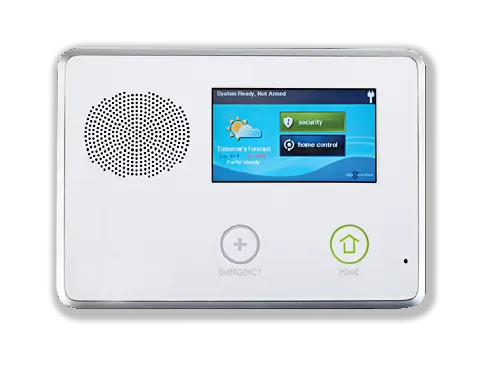
The touchscreen by the door is where the alarm is armed and disarmed, where every sensor reports in, and where the signal leaves the house for the monitoring center. On most current systems it also runs the locks, lights and thermostat.
That makes the panel the one piece worth choosing carefully. Check how it talks to the outside world, what it can control, and whether it will keep working with new devices. The monitoring guide covers the first question and choosing a system covers the rest.
Why this site exists
Home security is sold on fear and signed on fine print. Long terms that renew on their own, equipment you thought you owned, activation fees that appear at the end of the call: none of it is illegal, and all of it is avoidable if you know to ask.
We are not an alarm company and we do not sell anything. The guides here start with how the technology works, then turn to the questions that decide whether a system is good value for your home. When you are ready to shop, the system checklist and the contract guide are the two pages to print.
Before anyone visits
Put these to every company you talk to, and get the answers in writing. How they answer tells you as much as what they say.

A sensible order
Break-ins while you are away, a child coming home to an empty house, a parent living alone, fire while you sleep. The worry decides the system, not the other way round.
Match system to need →Good locks that are properly fitted, no notes on the door, lights on timers. The cheapest security is a set of habits.
Safety tips →Term, renewal, ownership, fees and what happens if you move. Ten minutes with the paperwork saves years of regret.
Contract checklist →Tell us what you are weighing up. Good questions often turn into the next guide.
Keep reading